For bulk terminals, dust control is often discussed as an environmental, safety, or housekeeping issue. It is all three, but fugitive dust usually starts as a material handling problem. When material enters a transfer point off centre, too fast, from too great a height, or without a controlled path for displaced air, fines escape the stream before any suppression system has a chance to help. That is why effective dust control starts with control of the material itself: its direction, velocity, impact, and exposure to air.
Every terminal handles its own combination of material behaviours. Coal, biomass, grains, fertilizers, aggregates, and ores each respond differently to transfer, impact, moisture, and wind, with some materials generating fines through handling while others arrive with fines already present. Lighter materials may become airborne quickly in exposed conditions, while abrasive materials can wear through a poorly designed containment system before operators have time to correct it.
However, the root problem is often the same: material enters the belt with too much velocity, too much turbulence, too much drop height, or too little containment. Once that happens, dust control becomes reactive. Operators add water, sweep spillage, replace skirting, adjust cleaners, or chase belt tracking problems. Those efforts may be necessary, but they rarely solve the source of the issue. A better approach starts by treating the conveyor as a controlled material flow system, not simply a moving belt.
The load zone sets the tone
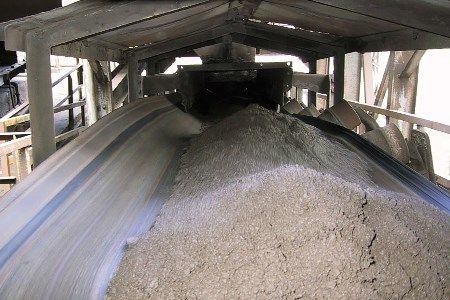
The load zone is where material first impacts the conveyor belt, and it has an outsized effect on everything downstream. If material lands off centre, strikes the belt at the wrong angle, or drops from excessive height, the belt is forced to absorb both the impact and the turbulence. That can create spillage, dust release, belt mistracking, carryback, premature component wear, and higher cleanup demands around the terminal.
“The load zone isn’t just a transfer point, it’s the control centre for material flow,” says Joe Gibson, conveyor components engineer for Superior Industries.
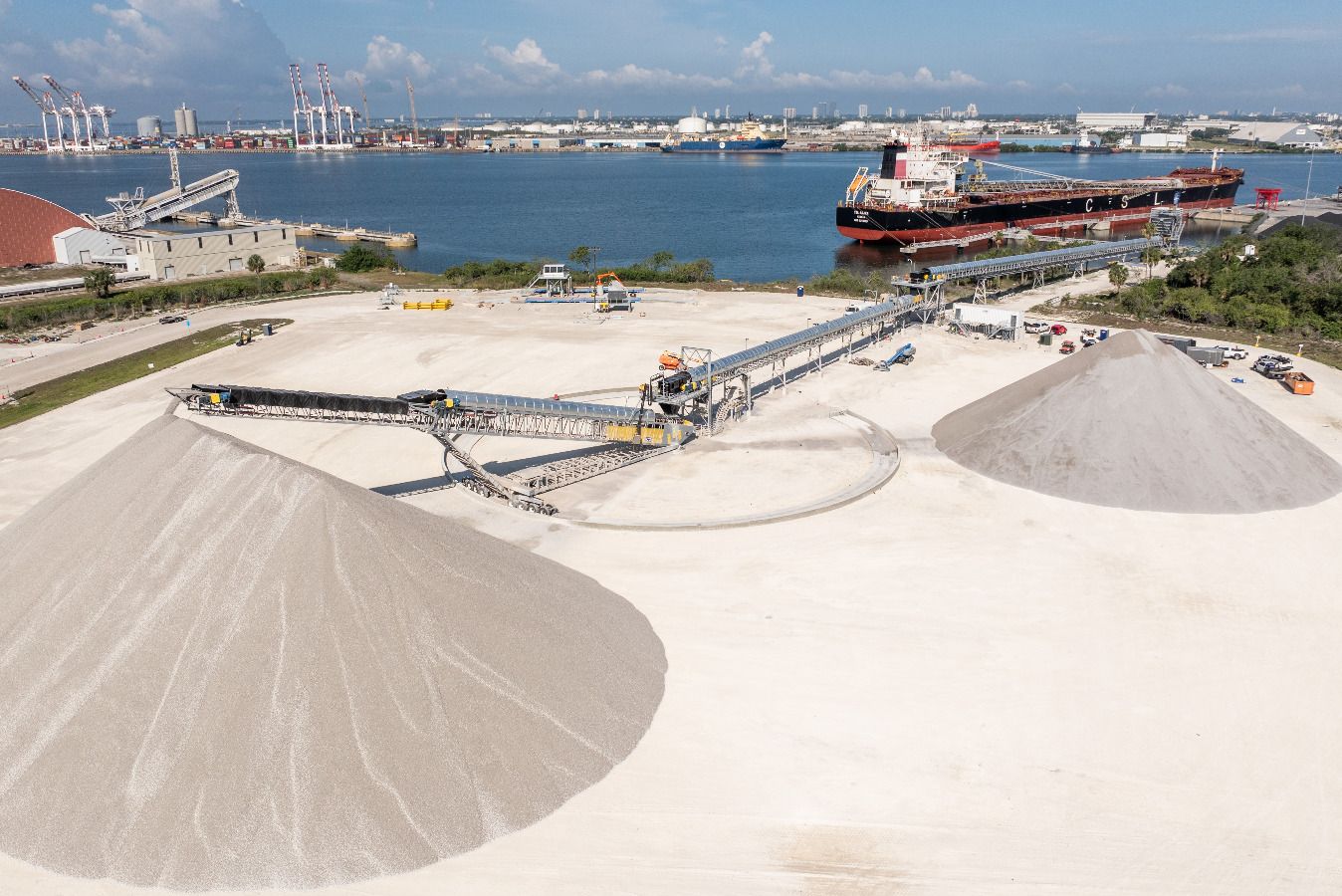
In ports and terminals, that control centre operates under constant pressure. Long conveyor runs, exposed structures, transfer towers, shiploading systems, truck or rail receiving points, and changing weather can turn a small dust issue into a highly visible operating concern. A conveyor handling thousands of tonnes per hour does not need a large leak to create a dust plume, a cleanup burden, or a maintenance problem. Small inefficiencies become large issues when they repeat across long operating windows.
Good load zone design starts before the material ever touches the belt. Chutes, rock boxes, deflector plates, loading angles, and drop heights should be used to direct material so it lands in the direction of belt travel. The goal is to reduce free fall, control velocity, centre the load, and settle the material stream before it leaves the transfer point. Poor material direction is one of the most common problems Gibson sees in the field. Some operations, he says, simply 'dump' material onto the belt and manage the consequences afterward.
“Just having material going in the right direction when it lands on the belt is important toward the life and operation of the system,” Gibson says.
Belt support is just as important. When the belt sags under impact, gaps open beneath the skirting. Fine material finds those gaps, then dust and spillage follow. In abrasive service, the problem can worsen as liners and skirt rubber wear unevenly. Proper impact support, whether through impact idlers, impact beds, or cradles, helps maintain a consistent belt line so sealing systems can do their job.
Transition distance also matters. Loading a belt before it has fully troughed can introduce instability at the exact point where the system needs control. A practical rule of thumb is to allow enough distance from the tail pulley to the load point for the belt to fully form before receiving material. Without that stability, even well selected skirting can struggle to maintain a seal.
In short, the best dust control systems are supported by good mechanical design. Suppression and enclosure help, but they work best when the load zone is already moving material in a predictable way.
Enjoyed this article so far? Then make sure to register to Dry Bulk magazine to check out the rest of the article in the Autumn issue!