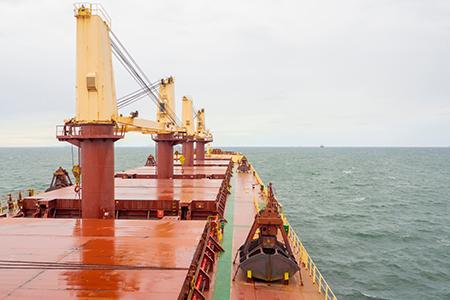
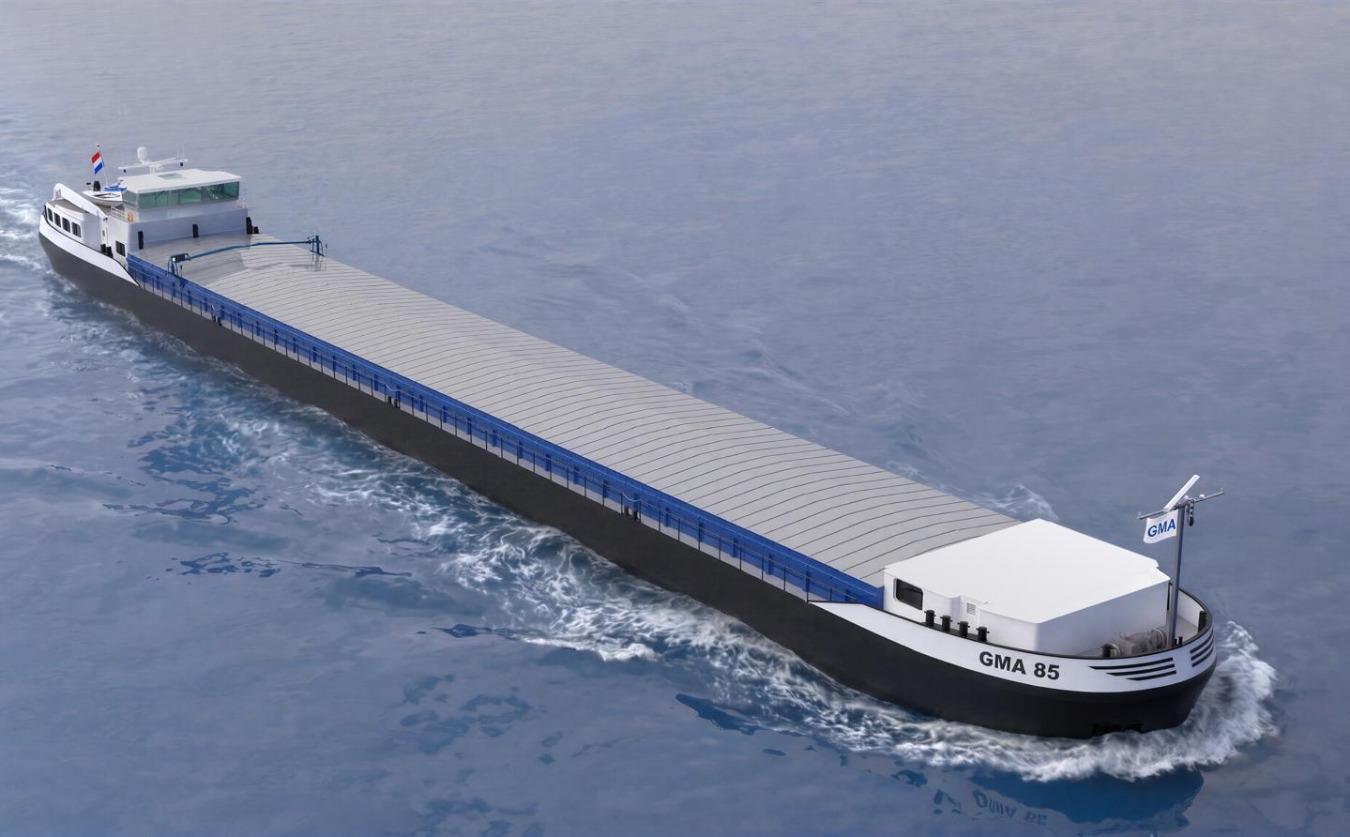
Dry bulk carriers entered with INTERCARGO continue to demonstrate stronger performance than the global fleet average on safety and compliance, according to the Association's 17th edition Benchmarking Report.
On June 30, COSCO SHIPPING Development announced that one of its subsidiaries plans to acquire 24 dry bulk vessels, including 20 multipurpose grain carriers (87 000 DWT), 2 bulk carriers (210 000 DWT), and 2 dry cargo carriers (210 000 DWT).
Pelagic Credit Plc announce that it has entered into definitive agreements for a sale-and-leaseback investment comprising three handysize bulk carriers, with an aggregate transaction value of US$47.4 million.
Diana Shipping Inc. announce that, through a separate wholly-owned subsidiary, it has entered into a time charter contract with Classic Maritime Inc., for one of its Newcastlemax dry bulk vessels, the m/v Philadelphia.
NorthStandard becomes the first P&I club to join the Dry Bulk Centre of Excellence (DBCE), strengthening collaboration with the dry bulk shipping sector.
Enclosed storage and conveying systems help bulk material operators control emissions, protect material quality, and improve operational reliability. Drawing on global references, TAKRAF Group delivers engineered solutions for complex applications, from enclosed stockyards and scraper reclaimers to tube conveyors and lifecycle support.
Todd Swinderman, Martin Engineering, explores how passive dust control strategies at conveyor transfer points can improve air quality, reduce emissions, and enhance overall system efficiency.
The collaboration will create a strategic, auditable and scalable operating model to strengthen safety, reliability, governance, ESG performance, resilience, and long-term value across ArcelorMittal’s global dry bulk terminal network.
EMS-Tech celebrate the successful delivery of WONTANARA, the first of a new class of high-capacity self-unloading transhipment vessels built by CSSC Chengxi Shipyard for the joint venture between Rio Tinto, Chinalco, and the Government of Guinea.
The Panama Canal reported higher transit volumes and cargo tonnage during the third quarter of fiscal year 2026, while continuing to adapt its operations to meet global shipping demand in anticipation of a severe El Niño event.