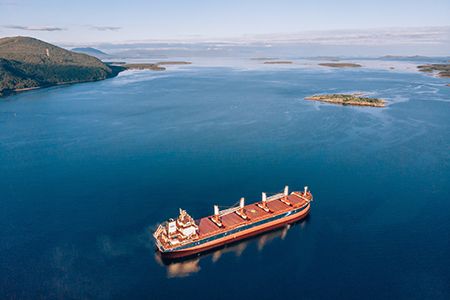
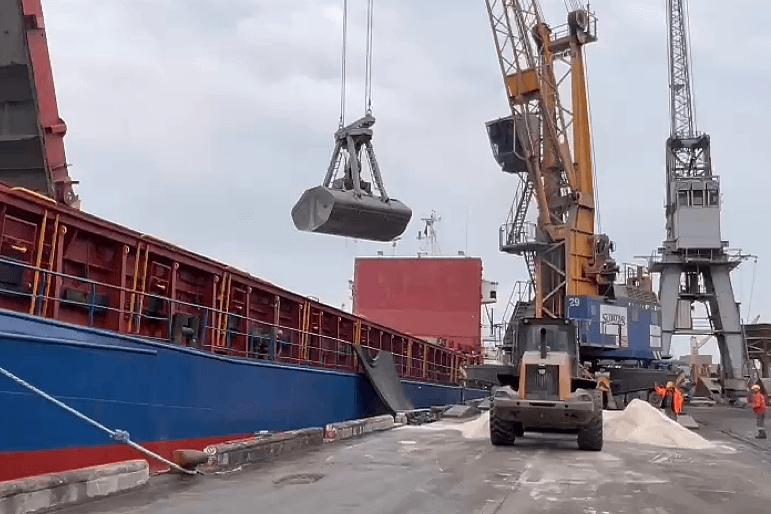
The vessel has arrived. The Master has tendered notice of readiness, known as NOR, confirming that the ship is ready to load. Cargo operations begin, but only part of the agreed shipment is available at the port. Then loading stops. The remaining cargo is still on its way by truck or rail. The ship is ready, the terminal has equipment available, and everyone is waiting for the goods. For the charterer, that gap can turn an agreed freight bill into a much larger transport cost.
The ship cannot wait for free
A chartered vessel is rather like a taxi. Its time has a price, including time spent waiting for the customer. A voyage charter normally gives the charterer an agreed amount of time for loading and discharge. This is called laytime. Once a valid NOR has been tendered and laytime has started under the agreed charter terms, a shortage of cargo can consume that allowance, even while loading is stopped. When the permitted time runs out, further delay can lead to demurrage: An additional charge payable by the charterer at the agreed rate. The precise calculation depends on the charter terms. But cargo arriving late does not automatically stop the ship’s clock.
A delivery promise is not cargo at the berth
The problem often starts before the vessel is fixed. The shipper confirms that the full quantity will be available by the expected arrival date. That assurance may depend on several deliveries reaching the port on time. Some cargo is already in storage. The balance is still at the factory, waiting for trucks, or moving through the rail network. A production delay or missed delivery then interrupts the loading programme.The cargo may exist, and the sale may be complete, but the full shipment is not ready to load. Consider a simplified example. A charterer has 1 day of permitted loading time remaining when the available cargo runs out. The next deliveries take 3 days to arrive. If all 3 days count under the charter, 2 days exceed the allowance. At an illustrative demurrage rate of US$7000 per day, that means US$14 000 in additional charges before loading resumes. That expense pays for waiting. It moves no extra cargo.
Fix against confirmed readiness
Before arranging dry bulk cargo chartering, the charterer and broker should establish how much cargo is physically available at the loading port, whether it has been released for shipment, and whether the terminal can maintain loading without interruption.The safest approach is to fix a vessel against cargo that is genuinely ready to load. Where a shipment depends on continuing deliveries, the parties need a realistic, verified supply programme and enough margin for disruption.The decisive question is whether the agreed quantity can be presented to the vessel when required. A ship fixed against an optimistic delivery promise may arrive exactly on time and still spend days waiting at the charterer’s expense.
About the author
Konstantin Kalnyi is the founder and CEO of Kiev Shipping Ltd, an independent Ukrainian shipbroking company established in 2000. He has more than 25 years of experience in international ship chartering and maritime brokerage, covering dry bulk, breakbulk, and project cargo shipments.